


The IBRAF FELLOWSHIP PROGRAM ON SOUTH-SOUTH AND TRIANGULAR COOPERATION (IFP) aims to overcomes the gap between studying and engaging in international cooperation, taking scholars and professionals to hands on experiences in Brazil in order to explore, understand and disclose good practices and projects in socieconomic development.
The IFP will offer Professors, PhD candidates, Masters students, specialists, undergraduates and professionals an opportunity to have a concrete experience in an international and non-governmental organization that is actively engaged in international cooperation. With the exchange of know-how between the fellows and IBRAF – as well as its partner institutions – the program aims at empowering the next-generation of decision-makers in Brazil and Africa.
The program seeks to develop the participants’ capacities in terms of critical thinking, problem-solving and crisis management. Visiting Fellows will produce some specific deliverables during their stay, in the form of briefing notes (to map best practices) research papers, situation analysis, op-eds (to create academic products) and seminars (to display sustainable solutions).
IBRAF FELLOWSHIP PROGRAM

Trade and Investments across the South Atlantic

Technical Cooperation and Capacity-Building

Economic and Sustainable Development

Demography, Urbanization, Housing and Public Health

Agriculture, Agri-business and Rural Development
HOW IT WORKS :
DURATION 8 WEEKS
- IBRAF will offer institutional support for all the aforementioned activities, at its headquarters in Fortaleza and through partner organizations’ offices all over Brazil and the African continent.
- The IFP has the capacity to receive multiple fellows at the same time, with adequate space for working and living. They will each be engaged in one of the three cycles for a determined period, rotating after the completion of each activity.
- Professionals and Researchers will receive, after the completion of the program, an academic certificate issued by the Brazil Africa Institute with due accreditation, plus the title of fellowship alumni.
- At the end of every year, IBRAF will produce a publication, in the form of a book or an e-book, to review, compile and systematize all the knowledge produced by the fellows of the determined period.
- IBRAF, seeking to foster academic production, will promote an amicable competition, and the Fellowship Program’s best and most notable research project will receive a space at the Brazil Africa Forum to showcase its findings.
CYCLES OF ACTIVITIES

RESEARCH CYCLE
• Strategic Insights and Exercises in Foresight
• Applied Methodologies and Analysis
• In-depth Research and Thought Leadership

EXECUTIVE CYCLE
• Challenges and Opportunities in the Promotion of Development
• Tackling Concrete Problems on Field Missions

INDEPENDENT CYCLE
• Critical Thinking in Cooperation Initiatives
• Project Incubation: From Ideas to Actions
• Intellectual Capacity-Building
Why Participate?
- Participation in a world-class program that is the first of its kind
- Serve as a private expert and consultant in future studies that require a theoretical and practical understanding of South-South and Triangular Cooperation
- Join a network of like-minded professionals who strive to implement South-South and Triangular Cooperation solutions
ELIGIBILITY
- Candidates must either be enrolled in an Undergraduate program, have a Bachelor’s Degree or hold an advanced degree (PhD, MPhil., MSc., MA or equivalents) in a relevant field
- Candidates from all nationalities are eligible
- Candidates must be proficient in English
- Candidates must be 18-45 years of age
- Female professionals and researchers are encouraged to apply to meet gender parity in the program
- Disabled Individuals are encouraged to apply
OP-EDS
Gender and vaccine equity must go hand in hand in Latin America
Marina figueira
Brazil and Burkina Faso need to strengthen their relationship
Sidnoma Nita Belemsogbo
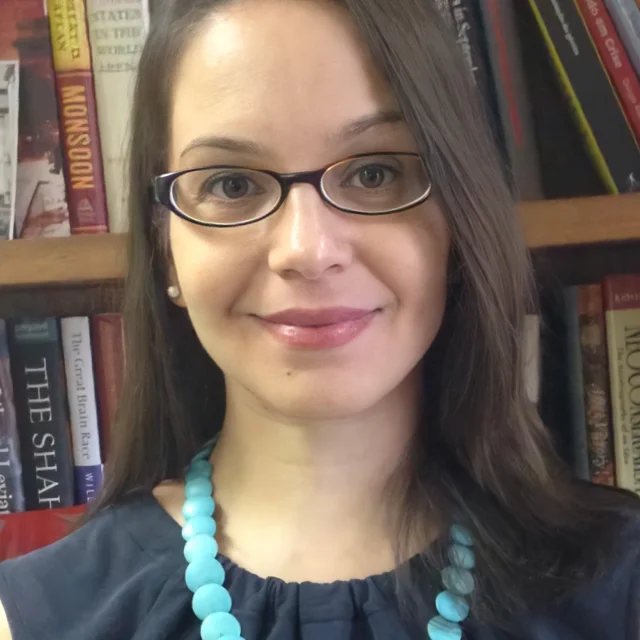
Capacity Development: A Transformative Approach from Triangular Cooperation
Lucía Rodríguez Torresi
The Faculty
Dr. Adriana Abdenur
Thematic area: Technical Cooperation and Capacity Building
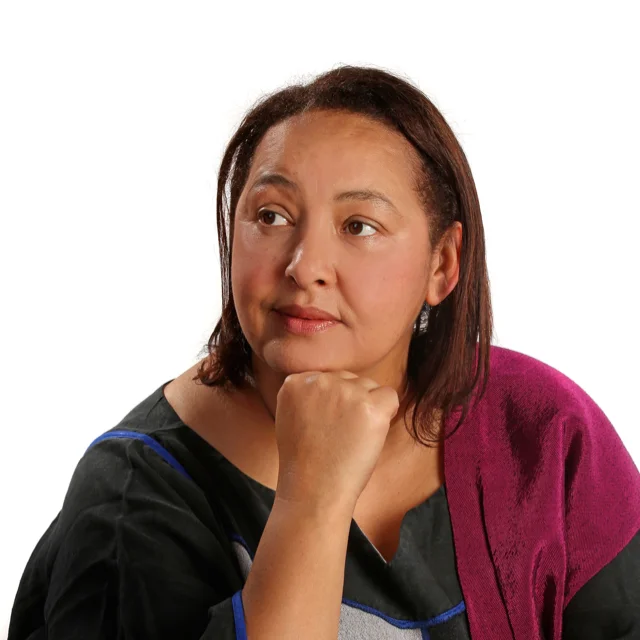
Frannie Léautier
Thematic area: Trade and Investment in the South Atlantic
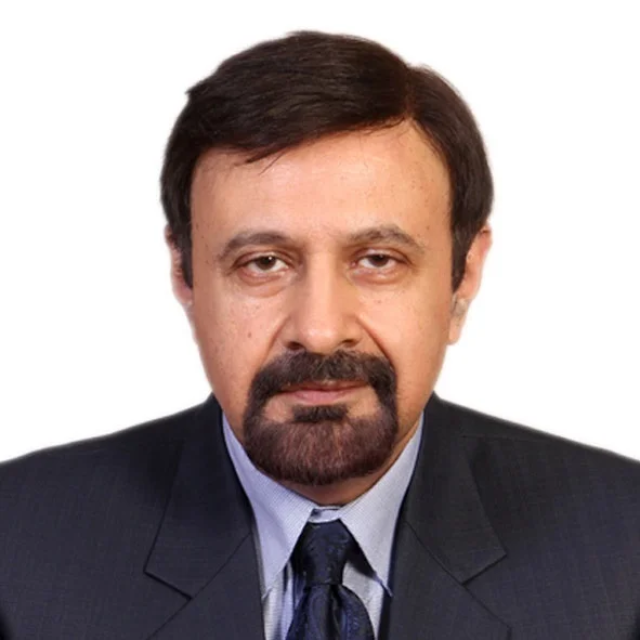
Kapil Kapoor
Thematic area: Trade and Investment in the South Atlanticarea: Trade and Investment in the South Atlantic
Dr. Martin Fregene
Thematic area: Agriculture, Agribusiness and Rural Development
Dr. Pedro Almeida
Thematic area: Economics and Sustainable Development
Os Fellows: Turma 2021

Marie-Lousie Aren
Nigéria

Research: A Comparative Examination of the Cross-Border Mergers and Acquisition and Corporate Tax Treaty in Africa and Brazil as a Means for Foreign Direct Investment and Trade Facilitation

Lucía Rodríguez Torresi
Argentina
Research: Triangular cooperation: What value does it add? Three cases (Brazil/Africa) analyzed through the OECD toolkit

Blessing Charuka
Zimbabwe
Research: Optimizing Supply Chain Finance in Brazil South-South and Triangular Cooperation

Francisco de Carvalho Santana
Brazil
Research: Analysis and mapping of agricultural practices associated with Agriculture 4.0 in Brazil to substantiate the adoption of similar methods in Angolan agriculture

Marina Figueira Lucas
Brazil
Research: South-South Cooperation and Regionalism for Public Health

Perihan Tawfik
Egyto
Research: How can the Egyptian Dairy Value Chain benefit from the Brazilian experience in providing Business Development Services?

Sidnoma Nita Belemsobgo
Burkina Faso
Research: Towards curbing environmental challenges in the world: a comparative study between Brazil and Burkina Faso

Chigaemezu Olaedo Ibegwam
Nigéria
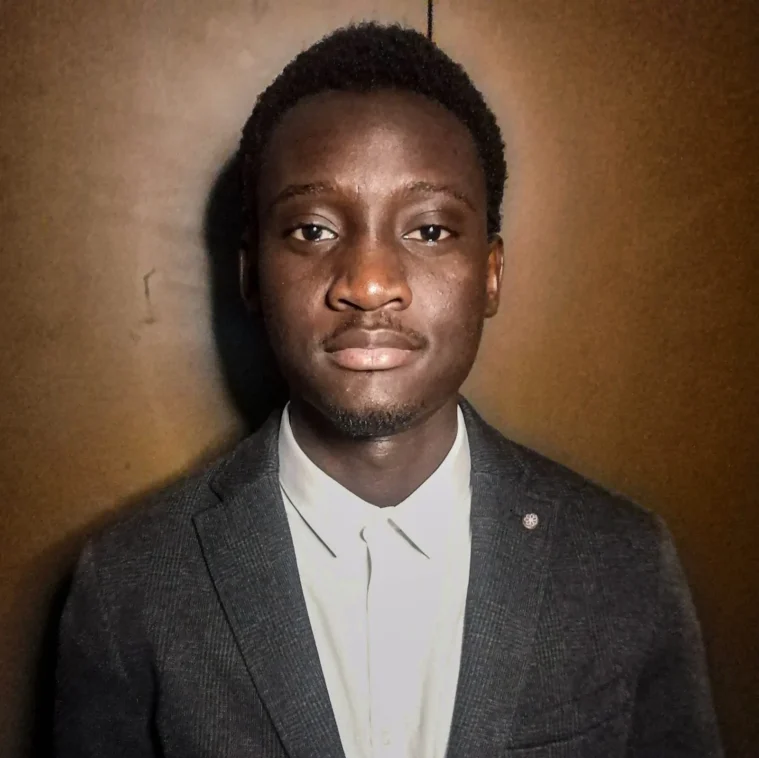
Reasearch: The Status of Culture and Mental Health in Brazil

Sylvestre Bakhoum
Senegal
Research: Technical Cooperation Policies and Projects Between Brazil and Africa Revisited from the Stakeholders Perspectives

Nilza Machango
Moçambique
Research: What is Brazil doing in the construction field and what can Mozambique learn from Brazil?